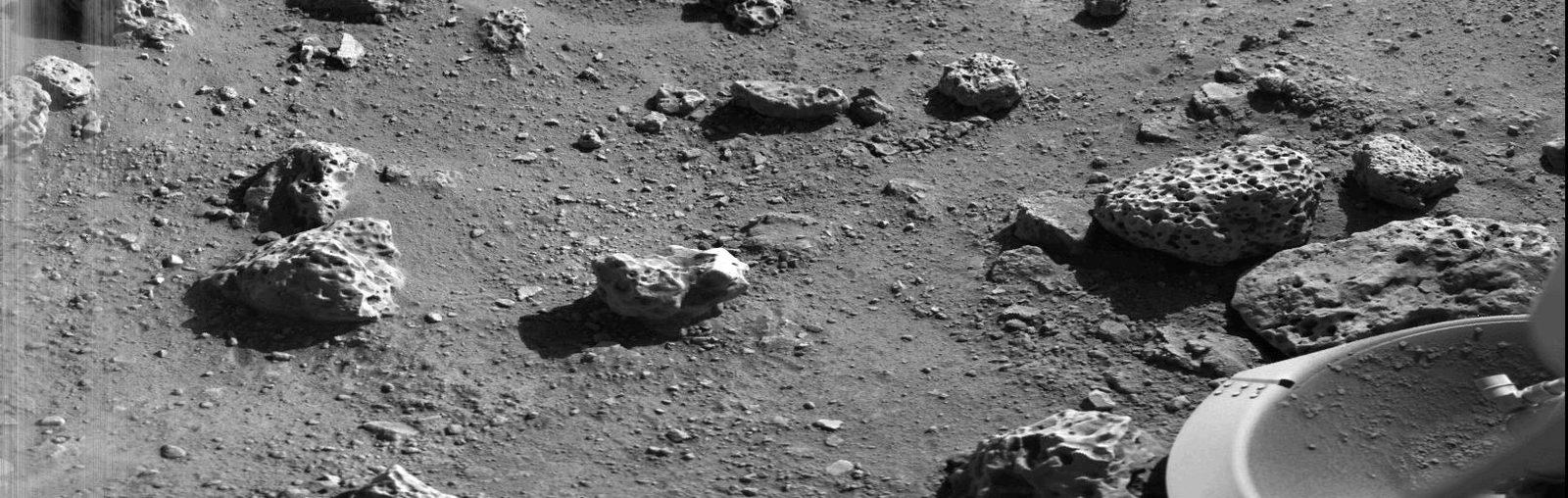

Viking 2 was the second of NASA's twin Viking spacecraft. Its lander touched down on Utopia Planitia on 3 September 1976, about 6,460 km from its twin, and sent data until its batteries failed in April 1980.
Why they were built
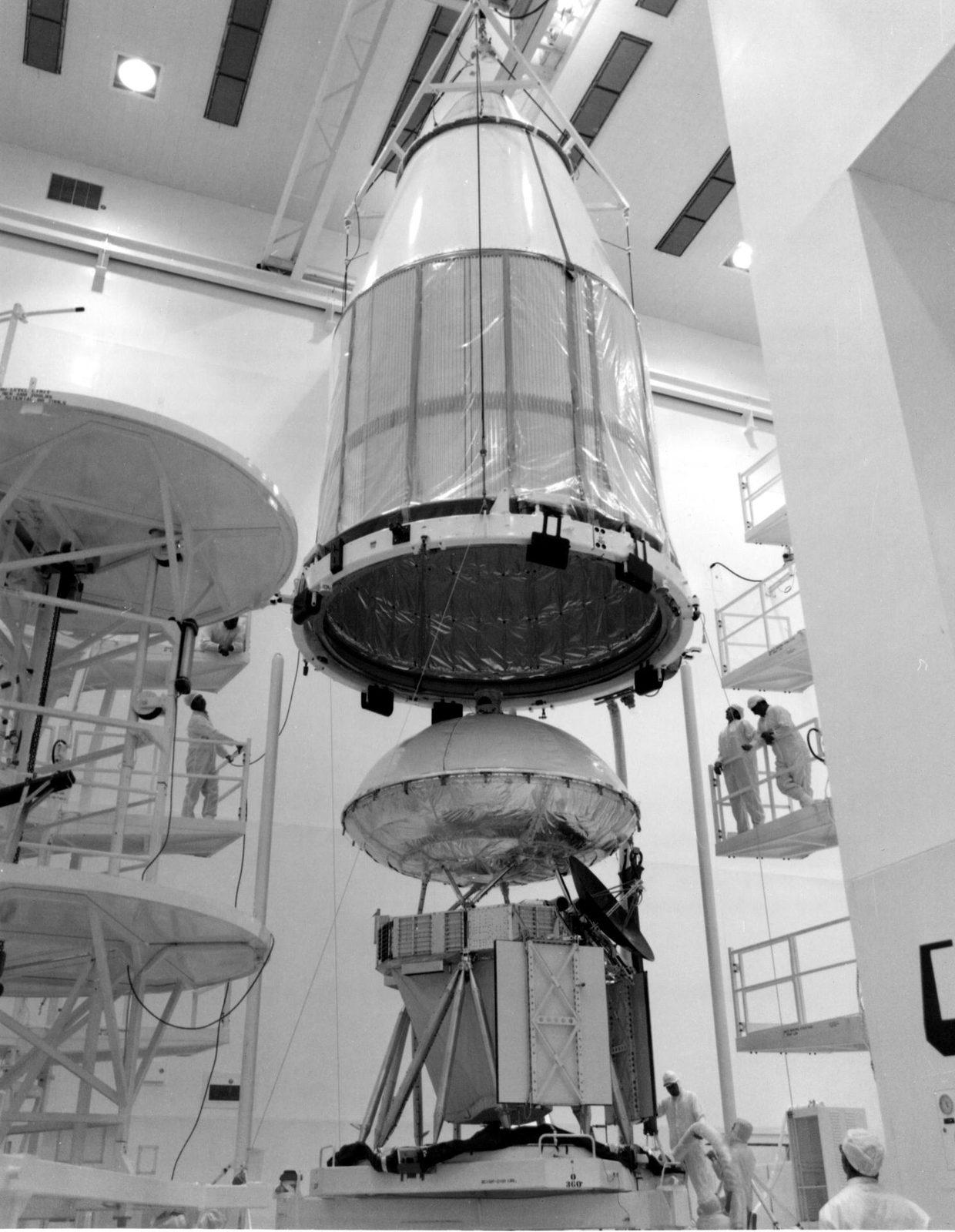
Viking was a pair of complex deep-space probes designed to reach Mars and look for evidence of life. Each spacecraft had two parts: an orbiter of 2,339 kg and a lander of 978 kg. The orbiters photographed the planet and relayed data; the landers carried cameras, a seismometer, a weather station, an X-ray fluorescence spectrometer, a gas chromatograph mass spectrometer and a biology laboratory fed by a robot arm.
Meant to go first
The spacecraft called Viking-A was scheduled to launch first, but a problem with its batteries meant it launched second, as Viking 2, on 9 September 1975. It entered Mars orbit on 7 August 1976, almost 11 months later.
Utopia Planitia
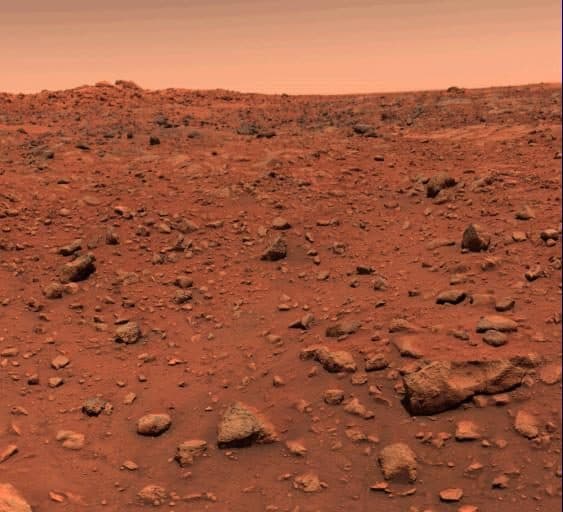
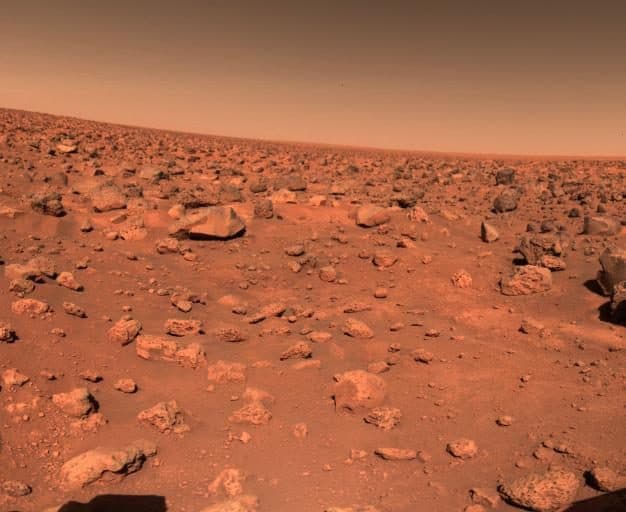
Photos of the first-choice site again showed rough ground, so planners chose Utopia Planitia, near the edge of the polar ice cap, where water was located and there was a better chance of finding signs of life. The lander separated at 20:19 UT on 3 September 1976 and landed at 22:37:50 UT, at 47.968° N, 225.71° W.
The site was rockier and flatter than Viking 1's, and the lander sat tilted 8.5 degrees to the west. With so few landmarks, orbiter images could not pin down exactly where it was.
The same puzzle
Its biology experiments, using soil scooped on three occasions from 12 September 1976, gave results like its twin's: inconclusive on whether life exists or ever existed on Mars. Scientists thought ultraviolet light had created reactive chemicals in the soil that could mimic signs of living organisms.
Silence
NASA announced on 16 November 1976 that both Vikings had met their goals, and the landers carried on in extended missions. The Viking 2 orbiter was shut down after a series of leaks on 24 July 1978. The lander kept transmitting until April 1980; NASA Science gives the last date as 12 April, the NSSDCA catalogue as 11 April.
In July 2001 it was renamed the Gerald Soffen Memorial Station, after Viking's project scientist.