Skip to page content

Meet Spirit

Every part, up close

Turn it, pick a part to see what it did, pull the parts apart, or download it to print your own.

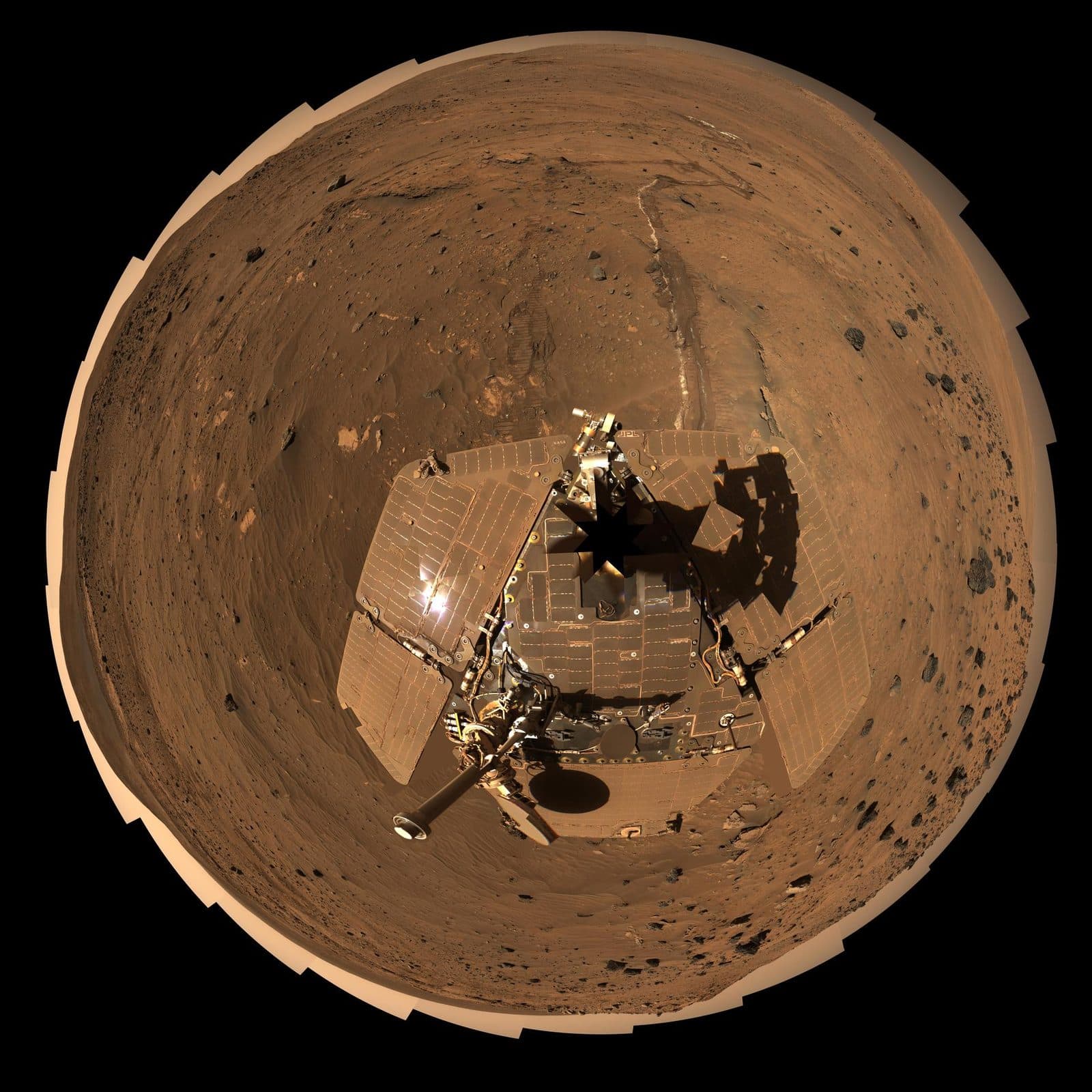
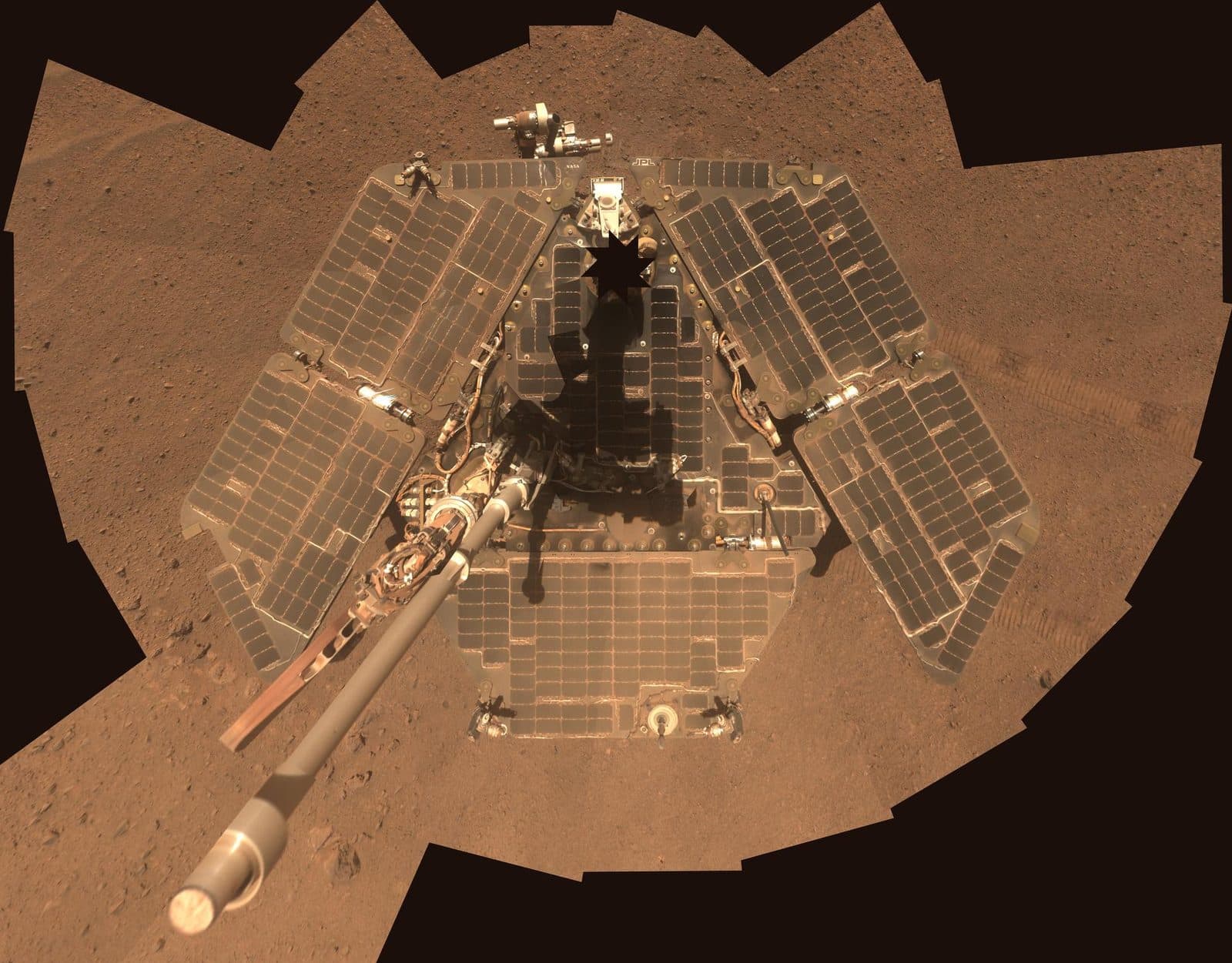
This self-portrait of NASA Mars Exploration Rover Spirit is a polar projection of the 360-degree McMurdo panorama made from images taken by Spirit from April through October 2006.
Drag to turn · pinch or scroll to zoom

Parts

Download

NASA's model of Opportunity. Spirit was its identical twin. Model: Mars Exploration Rover, NASA 3D Resources. The STL is exported from it for printing; most printers will need supports.

The film · 13 scenes

Built for 90 days. It climbed mountains, dragged a broken wheel, and uncovered ancient hot springs.

From why it was built to its last signal, told in real NASA photographs. Scroll through it, or press play.

Watch the film

Running on sunlight

Spirit lived on what its dusty solar panels could catch. In its last winter, stuck at Troy, it could not tilt them toward the Sun. Energy per Martian day, as NASA recorded it:

  • A normal day700 watt-hours a day
  • Winter storm, end of 200889 watt-hours a day

    too little to run on; it used its batteries

  • April 2009372 watt-hours a day

    back to normal science

Interactive Mission Simulation

MER Twins: Mars Exploration Rover Simulator

Navigate Gusev Crater, survive Martian dust storms, and climb Husband Hill.

Play Simulation

Life’s work

They went where we couldn’t.

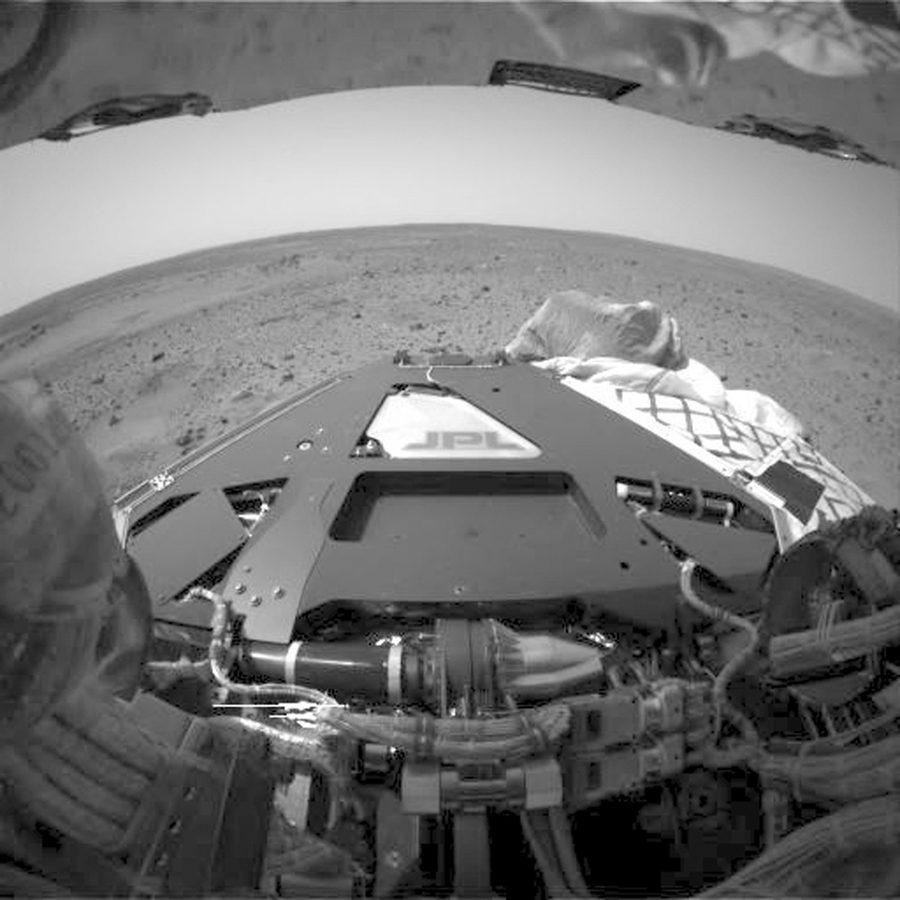
  1. This frame from an animation flips back and forth between images taken before and after deployment of the Mars Exploration Rover Spirit's bogie, a part of the rover's suspension system that extends the wheel base.No. 01

    Gusev crater

    2004

    Landed on 4 January 2004 in a crater thought to hold an ancient lake bed.

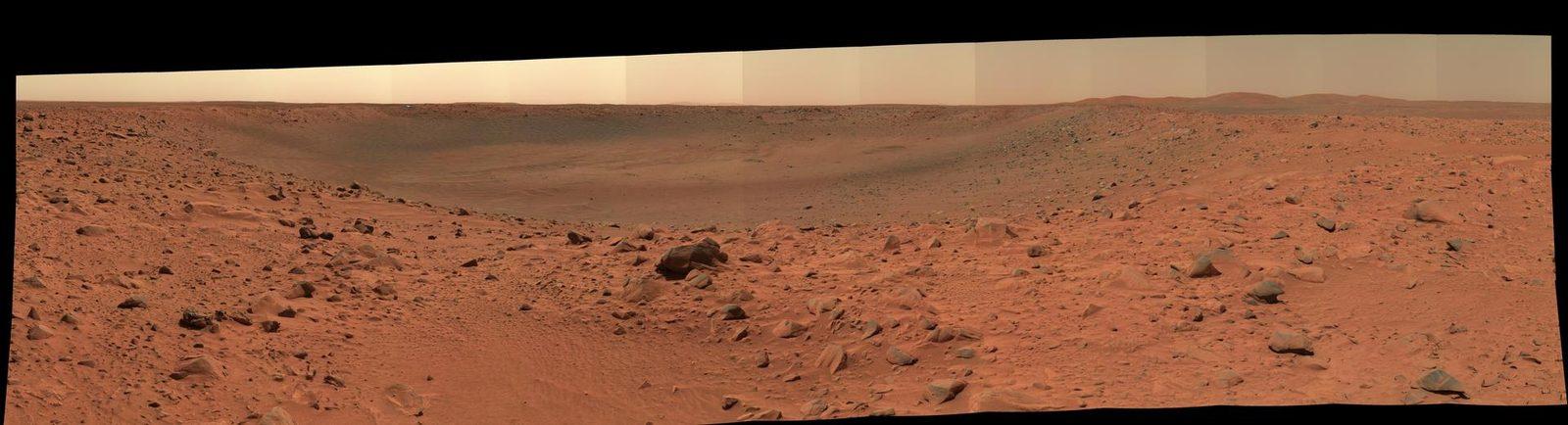
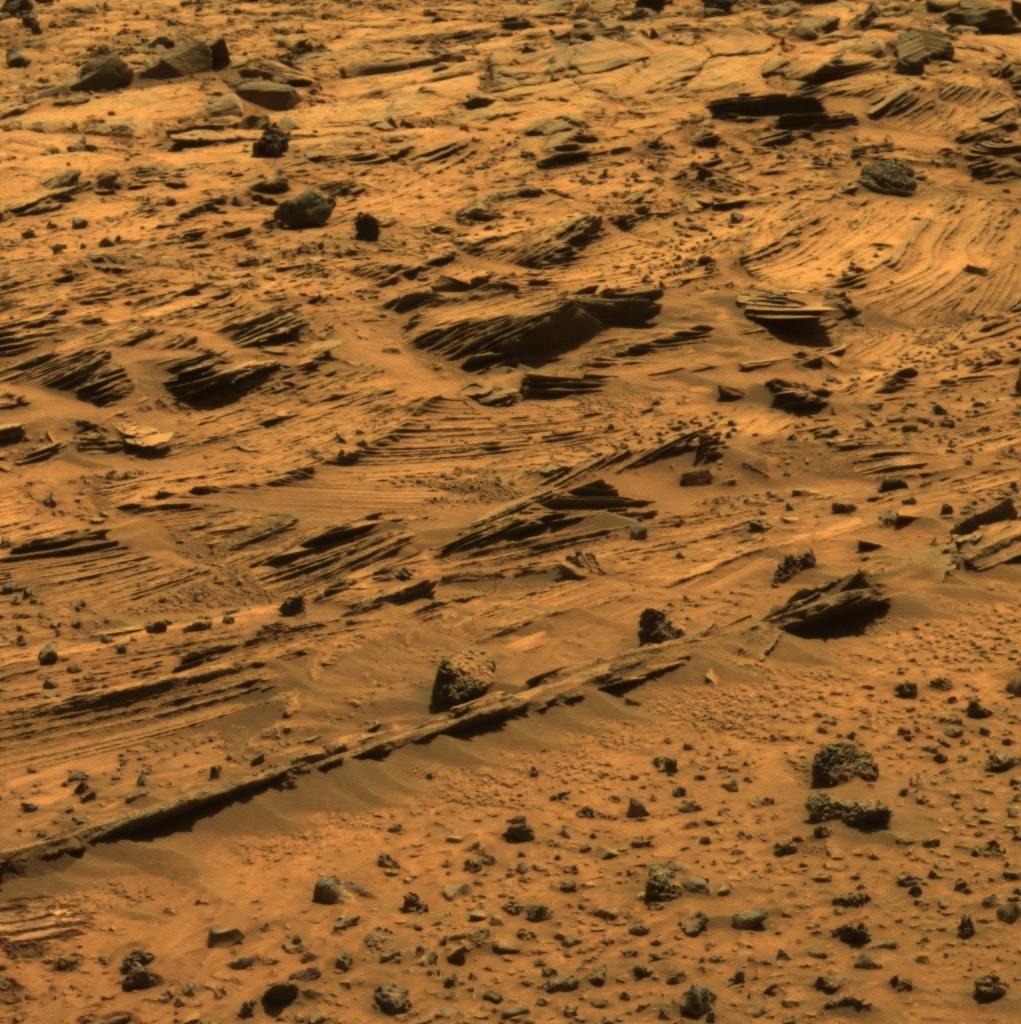
  2. The rim and interior of a crater nicknamed "Bonneville" dominate this 180-degree, false-color mosaic of images taken by the panoramic camera of NASA's Mars Exploration Rover Spirit.No. 02

    Bonneville

    2004

    Drove about 370 m to Bonneville crater before heading for the Columbia Hills.

  3. Spirit Says Goodbye to Home PlateNo. 03

    Columbia Hills

    2004–2005

    Climbed the hills and reached the summit of Husband Hill in 2005.

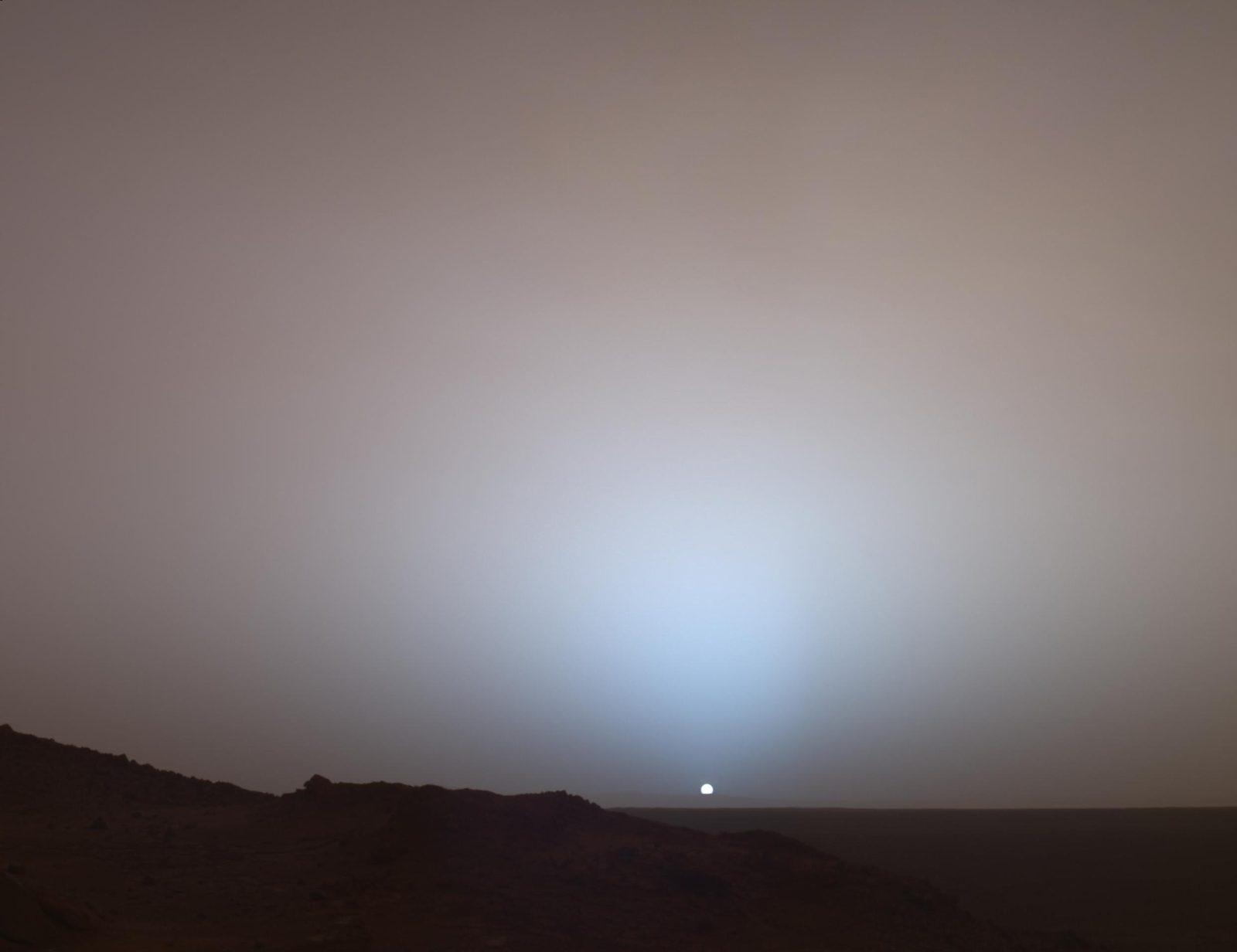
  4. On May 19th, 2005, NASA Mars Exploration Rover Spirit captured this stunning view as the Sun sank below the rim of Gusev crater on Mars.No. 04

    Sunset

    19 May 2005

    Watched the Sun sink below the rim of Gusev crater on its 489th Martian day.

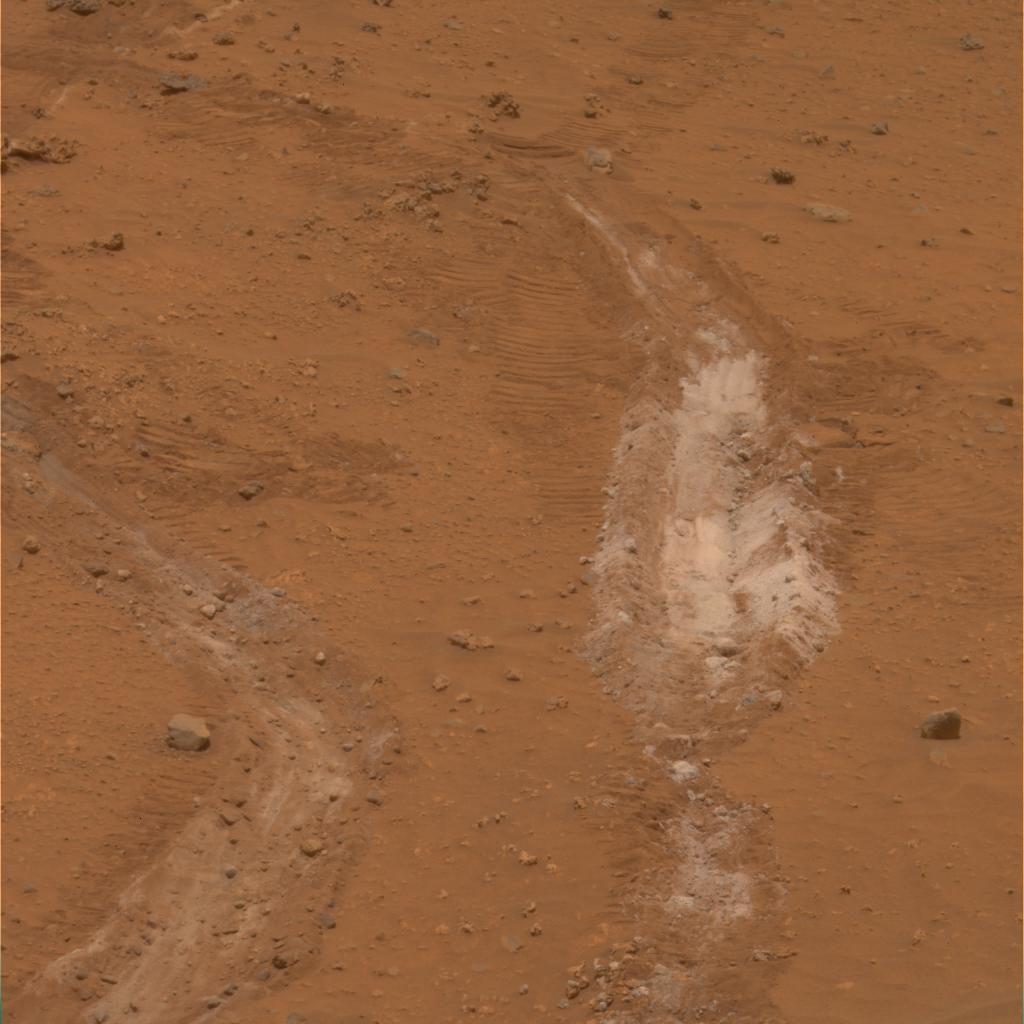
  5. Silica-Rich Soil Found by SpiritNo. 05

    Silica

    2007

    A dragging wheel churned up soil that was nearly pure silica.

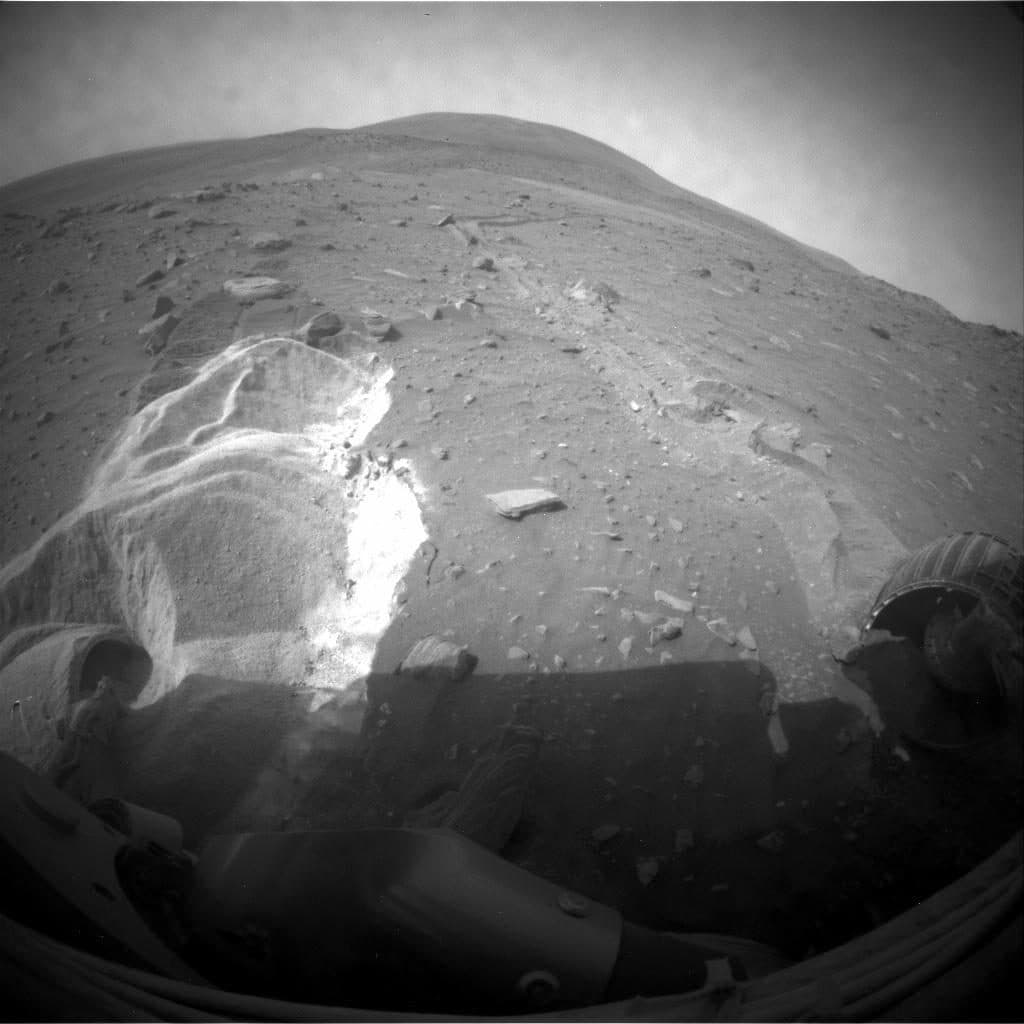
  6. Wheel slippage during attempts to extricate NASA's Mars Rover Spirit from a patch of soft ground during the preceding two weeks had partially buried the wheels by the 1,899th Martian day, or sol, of the Spirit's mission No. 06

    Troy

    2009–2010

    Wheels broke through a crust into soft sand and Spirit could not get free.

Born on Earth

Launch

KENNEDY SPACE CENTER, FLA.
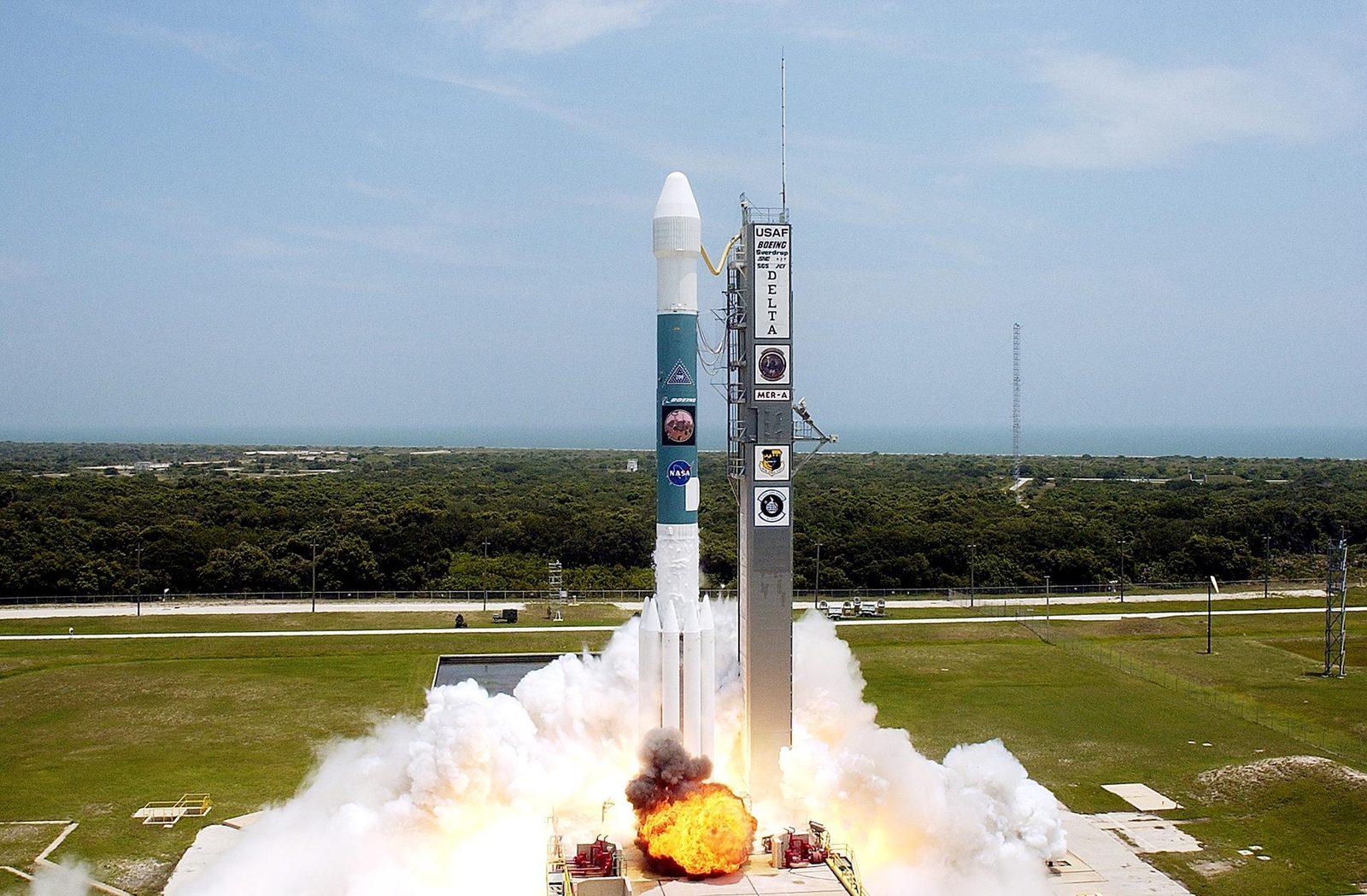
Spirit's Delta II lifts off, 10 June 2003 · NASA/KSC

10 June 2003
Delta II 7925 · Space Launch Complex 17A

Built by JPL.

Arrival on Mars

Landing

This frame from an animation flips back and forth between images taken before and after deployment of the Mars Exploration Rover Spirit's bogie, a part of the rover's suspension system that extends the wheel base.
Spirit Stretches Out · NASA/JPL-Caltech

4 January 2004
Gusev crater · Airbag landing

Winter took the light

Last signal

22.03.2010

Stuck in soft sand at a spot called Troy since 2009, Spirit could not tilt its panels toward the winter sun. It last called home on 22 March 2010.

Background: Spirit Wheels Digging into Soft Ground, Sol 1899 · NASA/JPL-Caltech

The full story

Spirit, from start to finish

Spirit (MER-A / MER-2, COSPAR ID: 2003-027A, NORAD: 27827) was the first of NASA's twin Mars Exploration Rovers. Landing at Columbia Memorial Station in Gusev Crater on 4 January 2004, it operated for 2,210 sols (2,269 Earth days)—24.5 times its 90-sol design life. It climbed 82 meters up Husband Hill, dragged a paralyzed wheel that uncovered 90% pure opaline silica from ancient hydrothermal steam vents, and fell silent at Troy beside Home Plate in March 2010.

Spacecraft identity & science payload

In NASA's manufacturing build sequence, Spirit was designated MER-2 (built after Opportunity/MER-1), but launched first aboard a Delta II 7925 rocket from Cape Canaveral SLC-17A on 10 June 2003 at 17:58:47 UTC. Total launch mass was 1,063 kg, comprising the 185 kg rover inside a 533 kg entry aeroshell and lander with Vectran airbags.

Spirit carried nine NSSDCA-catalogued science and engineering experiments: Pancam (2003-027A-01, Jim Bell), Mini-TES (2003-027A-02, Phil Christensen), Mössbauer Spectrometer (2003-027A-03, Göstar Klingelhöfer), APXS (2003-027A-04, Rudolf Rieder/Ralf Gellert), Microscopic Imager (2003-027A-05, Ken Herkenhoff), Rock Abrasion Tool (2003-027A-06, Stephen Gorevan, Honeybee Robotics), and the Magnetic Properties Experiment (2003-027A-07, Morten Bo Madsen).

World Trade Center aluminum & Columbia memorial

The cable-shield cuff on Spirit's Rock Abrasion Tool was machined by Honeybee Robotics in Lower Manhattan from recovered September 11 World Trade Center aluminum, bearing a laser-etched U.S. flag to endure permanently on Mars.

Spirit's High-Gain Antenna dish carried an aluminum memorial plaque dedicated to the seven astronauts lost aboard Space Shuttle Columbia (STS-107): Rick Husband, William McCool, Michael Anderson, Kalpana Chawla, David Brown, Laurel Clark, and Ilan Ramon. The peaks of the Columbia Hills were named in their honor.

The rover deck also carried the MarsDial sundial with the phrase 'TWO WORLDS, ONE SUN' engraved alongside 'MARS' in 22 languages and drawings by schoolchildren. Inside the lander petals, an archival silica-glass mini-DVD with 3,553,268 names was fastened by LEGO Astrobot minifigures.

Touchdown at Columbia Memorial Station

On 4 January 2004 at 04:35:26 UTC (Earth Received Time), Spirit bounced 28 times enclosed within 24 deflated Vectran airbags before coming to rest at 14.5684° S, 175.472636° E (elevation -1,942 m).

During descent, Spirit scattered hardware monuments across Gusev: the cruise stage debris uprange, its 78 kg heat shield at 14.565° S, 175.479° E, its backshell and parachute at 14.566° S, 175.470° E, and Columbia Memorial Station on the plain.

Husband Hill and hydrothermal opaline silica

In March 2005 (Sol 420), passing dust devils swept dust from Spirit's solar panels, raising power from 60% to 93%. On 29 September 2005, Spirit conquered the 82-meter summit of Husband Hill, returning 360-degree panoramas of Gusev.

On Sol 779, Spirit's right-front drive wheel failed. Driving backward and dragging the dead wheel, Spirit carved a trench at Gertrude Weise near Home Plate. On Sol 1157, APXS analysis of the bright furrow revealed 90.1% pure amorphous opaline silica (SiO2)—direct mineral proof of ancient volcanic hot springs or fumaroles.

Frozen at Troy

On 1 May 2009 (Sol 1892), Spirit broke through a crust into soft ferric sulfate sand at Troy (14.5994° S, 175.5284° E) next to Home Plate. Stuck with an unfavorable 11.5° south panel tilt, Spirit could not generate enough power during the Martian winter.

Spirit's final communication occurred on 22 March 2010 (Sol 2210). After more than 1,300 recovery commands via the Deep Space Network, NASA formally concluded operations on 25 May 2011. Spirit drove 7,730.50 meters across Mars.
Fly along

Follow Spirit's real path in NASA's Eyes on the Solar System, built from spacecraft navigation data.

NASA/JPL-Caltech · open full screen

Watch

Official films and footage from NASA, JPL and museum archives.

  • Spirit & Opportunity: Celebrating Five Years on Mars

    NASA Jet Propulsion Laboratory · watch on YouTube

  • Spirit Knocked, Opportunity Rocked: 20 Years of Rovers on Mars (Live Public Talk)

    NASA Jet Propulsion Laboratory · watch on YouTube

In the news

Articles, image releases and history pieces from NASA.

Its twin

Opportunity

No. 10 · 2004–2018

Visit Opportunity

Tribute wall

Checking authentication…

Messages from explorers (0)

  • No messages yet. There’s room for your little thank-you.

The shared RoverVilla wall stays here on Earth. These messages are not transmitted to a spacecraft.

Explore further

Official mission pages, catalogues, photo archives and 3D files.

AI-narrated documentary

Spirit: in its own words

Coming soonAI-made

Coming later

An AI-narrated documentary

We have not made it yet. When it is ready it will be told in the first person by an AI voice, built only from the mission records above, and clearly labelled as AI-made.

Sources

Resting on Mars. Photos are from NASA's public archives and credited individually; anything marked AI-generated is not a real photo. The 3D model is NASA's own. Videos play from their publishers' YouTube channels. NASA does not endorse this site.